The 10th generation Honda Civic Type R, chassis code FK8 (2017–2021), arrived like a meteor strike: polarizing, aggressive, and undeniably fast. Its factory styling was extreme, a deliberate statement that blended track-ready functionality with a distinct, almost cartoonish aggression. For many enthusiasts, this was perfect. For others, it was merely a canvas for the next level of customization. 10th Gen Type R Body Kit
Enter the world of the 10th Gen Type R Body Kit.
For the owner of this iconic hot hatch, modifying the exterior is less about correcting a flaw and more about honing an already sharp weapon. This 1,200-word deep dive explores why enthusiasts modify the FK8’s already wild aesthetics, detailing the spectrum of available body kits—from subtle carbon fiber accents to full-blown widebody conversions—and what every prospective owner must consider before making the ultimate styling commitment.
The Allure of the FK8: A Canvas of Aggression
Before diving into the aftermarket, we must acknowledge the foundation. The FK8’s original body kit is a marvel of aerodynamic function. Every scoop, vent, and wing—even those sometimes criticized for being “fake”—was designed to manage airflow, reduce drag, or generate downforce, helping the car achieve its legendary Nürburgring records.10th Gen Type R Body Kit
So why change it?
- Personalization (The Style Statement): The FK8, despite its rarity, is a mass-produced car. Owners want their vehicle to be unique. An aftermarket kit provides a rare, signature look that separates a show car from a street car.
- Increased Aerodynamic Capability (Track Focus): While the OEM aero is good, high-end JDM and European manufacturers (like Varis or Mugen) engineer specialized components that can further reduce lift or increase downforce for serious track-day racers.
- Correcting Perceived Flaws: Some owners genuinely dislike the factory’s “tacked-on” plastic look and seek smoother, more integrated lines, often replacing plastic elements with high-quality, lightweight carbon fiber.
- Widebody Necessity: The most extreme reason is the desire for significantly wider wheels and tires for grip, which necessitates installing massive fender flares and widebody panels.
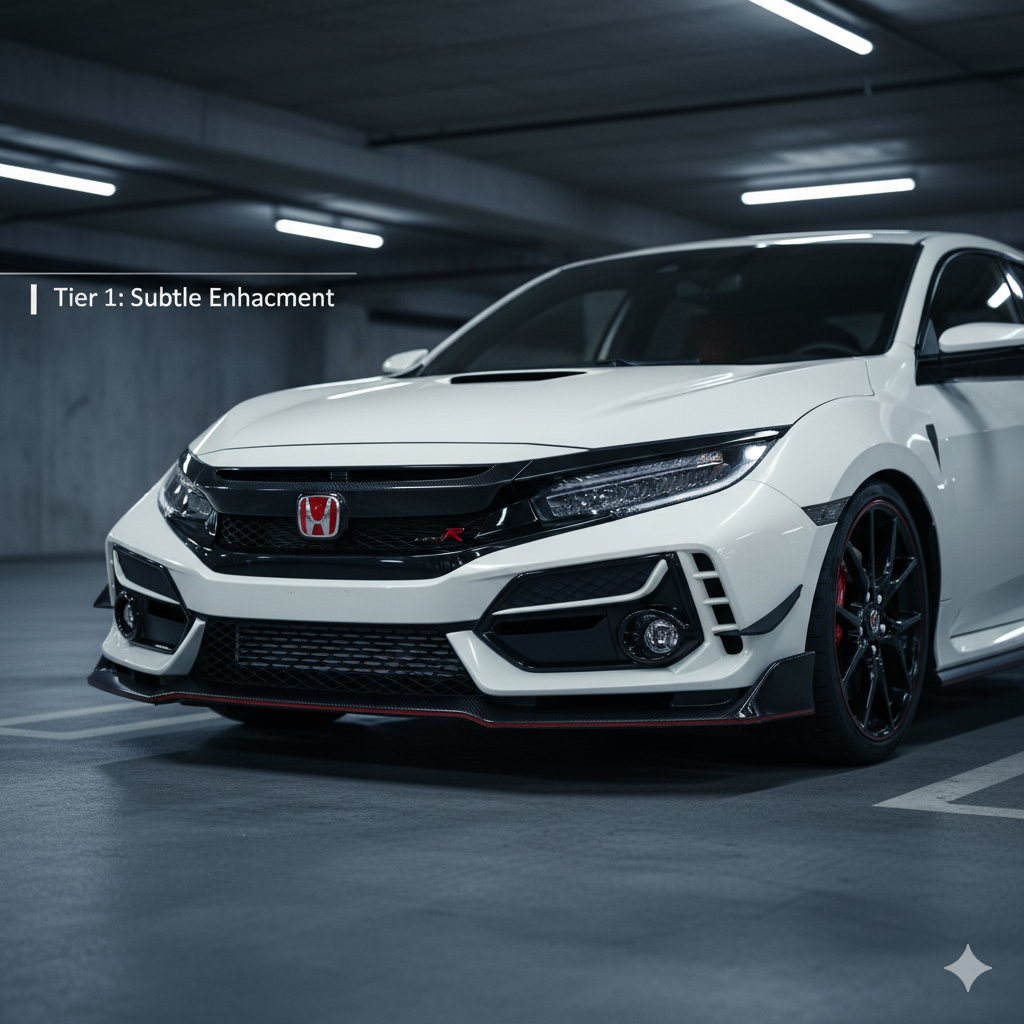
Tier 1: The Subtle Enhancement—The Carbon Fiber Diet
The first step in FK8 modification often involves replacing or augmenting existing components with premium materials. This tier is focused on detail, weight reduction, and a cleaner aesthetic.
Key Components & Manufacturers:
- Front Lips/Splitters (APR Performance, Seibon, Mugen): These replace the lower chin of the front bumper. Carbon fiber lips offer a sharper edge, often extending further out to increase high-speed stability. Mugen’s approach tends to be smoother and more integrated, maintaining a near-OEM fit.
- Canards and Vents: The polarizing vents around the FK8’s front bumper are often swapped out. Carbon fiber canards (small winglets) from brands like J’s Racing or APR don’t just look aggressive—they help manage airflow around the wheels,
- pushing the air outward to reduce drag-inducing turbulence in the wheel wells.
- Hoods (Seibon, Varis): An aftermarket vented carbon fiber hood is a functional upgrade. It reduces weight compared to the OEM steel unit and, more importantly,
- features heat extractors to vent hot air from the turbo K20C1 engine bay, improving cooling efficiency during hard driving.
- Gurney Flaps and Wings: For those who find the factory wing too aggressive, options exist.
- However, more popular are high-quality carbon fiber Gurney Flaps (small vertical tabs along the trailing edge of the wing) which provide a subtle but effective increase in downforce. Others swap the entire unit for a larger, more traditional GT-style carbon wing (Varis, Voltex) for maximum track performance.
The Pros: Excellent fitment, low impact on original design, true functional weight savings, and a premium look.
The Cons: High price per piece (especially for dry carbon), and the overall aesthetic change is minimal.
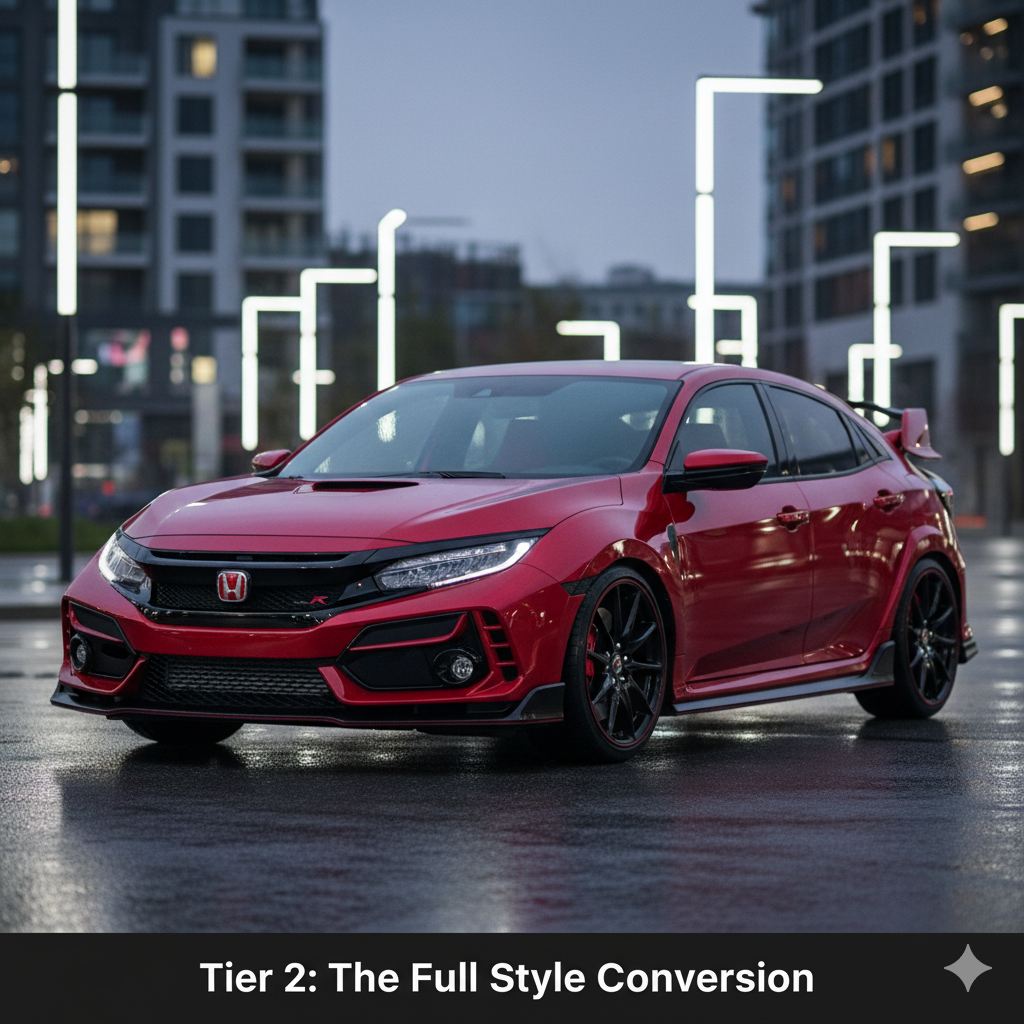
Tier 2: The Full Style Conversion—From FK8 to FK8.R
This tier is for the enthusiast who wants a dramatic transformation without necessarily adopting a widebody look. These kits typically involve a complete replacement of the front and rear bumper covers, side skirts, and sometimes the fenders.
Popular Styles & Kits:
- Mugen Complete Kit: Mugen (Honda’s premier tuning house) offers one of the most cohesive and quality-assured kits. It features cleaner lines, often painting components to match the body color, which reduces the busy, multi-tone look of the stock car. The goal here is a premium, OEM-plus style that looks like a factory performance option.
- Type R Style Conversions (for non-Type R Civics): While the blog focuses on the Type R,
- it’s worth noting the massive market for converting standard 10th Gen Civics (Sedan, Coupe, Hatchback) into the FK8’s aggressive form.
- These conversion kits use polypropylene (PP) plastic for near-OEM durability and a surprisingly good fit, offering the Type R aesthetic to a broader audience.
- Integrated Aero Kits: These typically involve full replacement bumpers that smooth out the OEM’s sharp edges while retaining aggressive features. They are designed for a seamless, painted look that is less “bolt-on” and more sculpted.10th Gen Type R Body Kit
The Pros: A complete, unified look; eliminates the complexity of piece-by-piece ordering;
often made from durable, flexible polyurethane (PP) for daily driving.
The Cons: Labor-intensive installation (requires painting); adds weight if using PP material; fitment quality can vary significantly between budget brands.
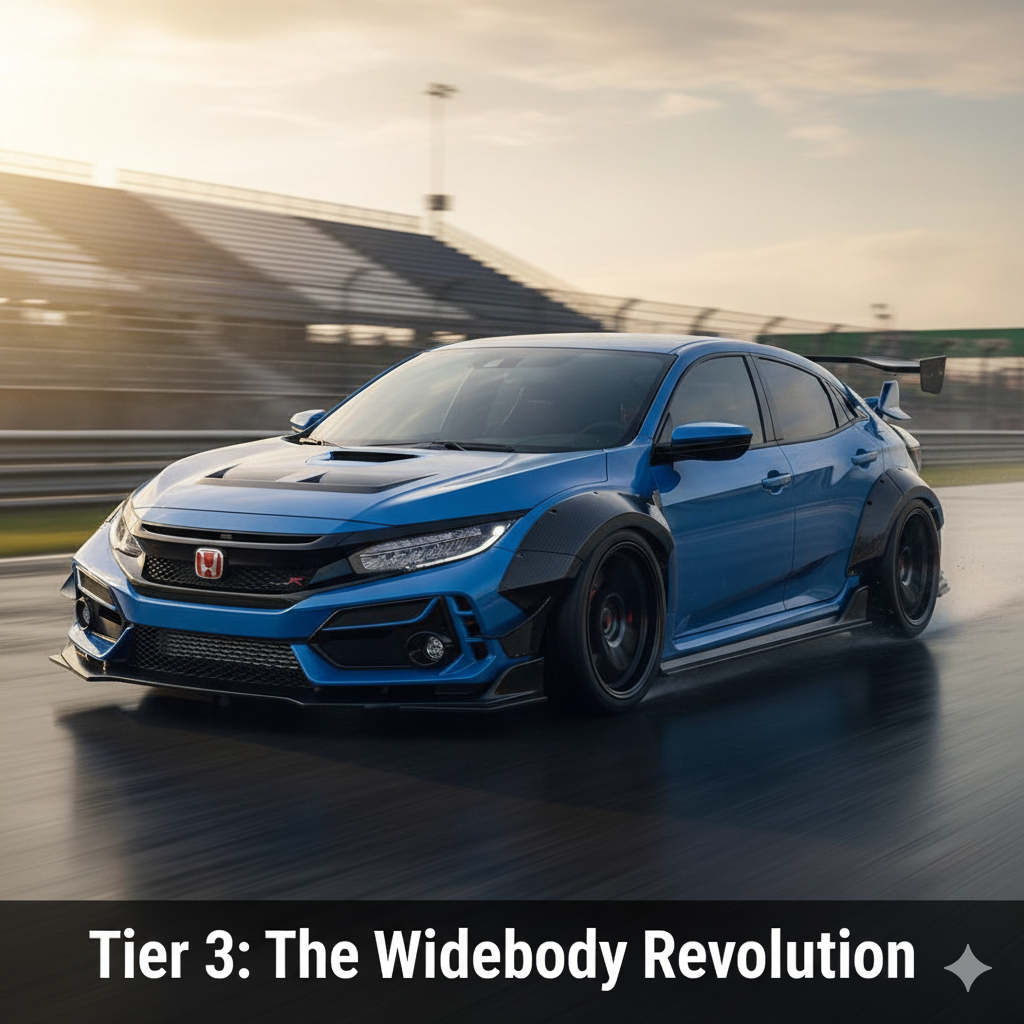
Tier 3: The Widebody Revolution—Function Meets Form
The widebody kit is the ultimate expression of FK8 modification. It’s a statement of absolute dedication, requiring irreversible cutting of the factory fenders to accommodate dramatically wider wheels and tires.
The Heavy Hitters:
- Varis Widebody Kit: Varis is synonymous with high-end Japanese aero, and their FK8 kit is a masterpiece. It is characterized by beautifully sculpted fender flares, aggressive bumper extensions, and massive side skirts. It’s an expensive, track-proven design, often constructed from lightweight Carbon Fiber Reinforced Polymer (CFRP).
- Robot Craftsman Widebody: Gaining popularity for its aggressive, geometric design, Robot Craftsman offers kits that push the boundaries of fender width
- . These kits often require massive wheel and tire specs (e.g., 11-inch wide wheels with low offsets) to fill the new arches, fundamentally changing the car’s stance.
- M&M Honda Hyper Wide Body Kit: A more extreme, race-inspired option, M&M Honda focuses on maximizing downforce and track width. This is not for the faint of heart or the daily commute; it is pure, uncompromising race-car aesthetic.
The Pros: Maximum visual impact; allows for dramatically wider tires (improved grip and cornering); the ultimate show-car status.
The Cons: Permanent modification (requires cutting fenders); extremely high cost (kits can exceed $10,000 before paint and installation); requires new,
expensive custom wheels and coilovers; complicates routine maintenance and washing.
The Critical Considerations Before Installation
Regardless of the tier, any body kit requires careful planning. A 1,200-word blog post wouldn’t be complete without a cautionary note on the realities of installation:
- Fitment is King: The difference between a premium kit (Mugen, Varis) and a budget kit is fitment. Budget kits, often made from cheaper fiberglass (FRP),
- frequently require significant professional bodywork—sanding, heating, filling, and drilling—to align properly. Always choose Polypropylene (PP) or high-quality Carbon Fiber/CFRP for better fitment.
- The Cost of Paint: Remember that the quoted price for a body kit is usually unpainted. Professional painting for a full kit,
- especially one requiring complex color matching to the iconic Championship White or Boost Blue,
- can easily rival the cost of the kit itself.
- Aerodynamics vs. Aesthetics: For the FK8, altering the factory aero can unintentionally harm performance. If you are a serious track enthusiast, stick to parts from established aerodynamic specialists like Mugen,
- Varis, or APR, which provide functional testing data.
- Suspension and Wheels (For Widebody): A widebody kit is worthless without the proper wheel and tire package. This is a secondary, but mandatory, investment involving new coilovers and custom-offset, wide wheels.
Conclusion: Honing the Blade
The 10th Gen Civic Type R (FK8) is a car that refuses to be ignored,
and its aftermarket body kit scene is just as uncompromising.
Modifying this vehicle’s already aggressive lines is a deeply personal statement—
an act of taking a legendary performance machine and stamping it with a unique identity.
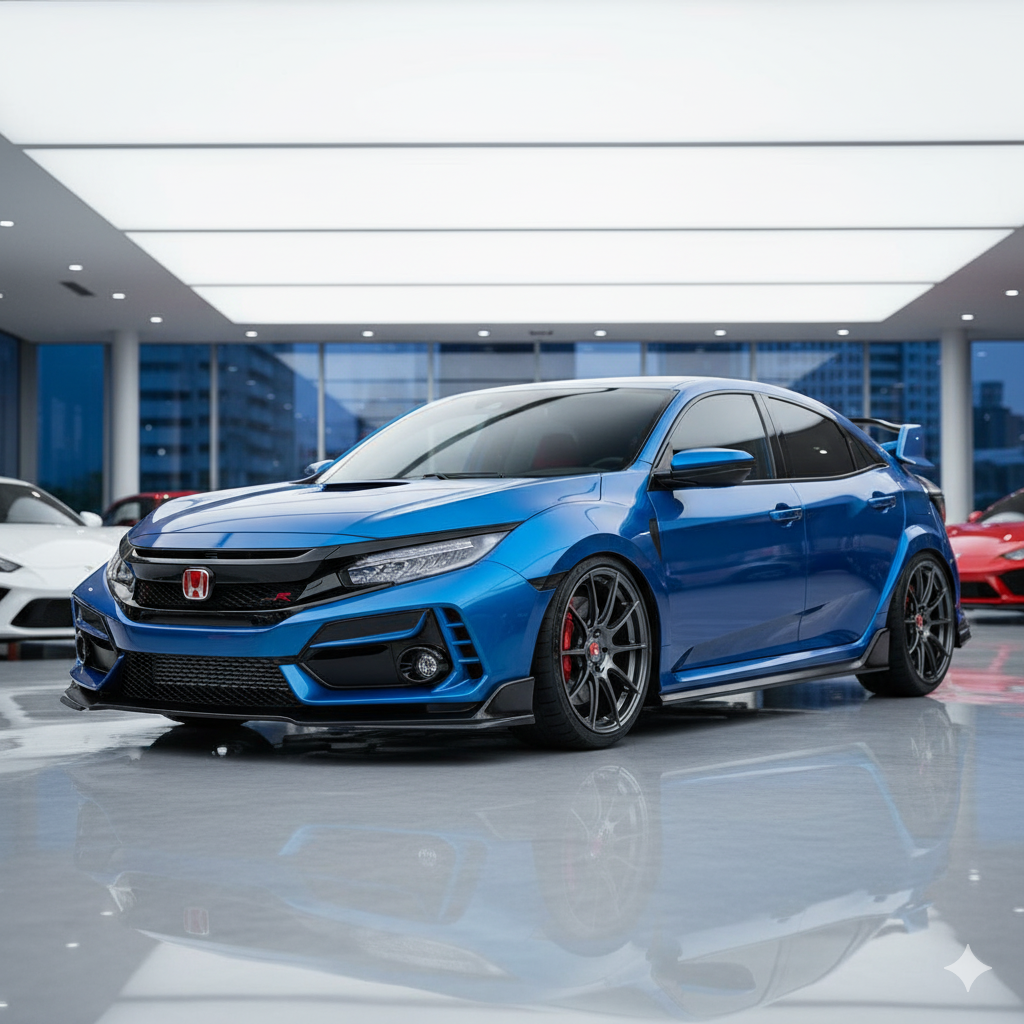
Whether you opt for the subtle, functional elegance of Carbon Fiber accentsthe cohesive, premium look of a Mugen conversion, or the absolute commitment of a Varis widebody,the FK8 provides a fantastic platform. The journey is an expensive and meticulous one, but for the enthusiast who values style and aerodynamic efficiency in equal measure,
transforming the FK8 from an apex predator into a singular masterpiece is the ultimate reward. Choose your components wisely, trust your installer, and prepare to turn every head on the track and the street.